

Table of Contents
- Why Scheduling Matters More Than Ever
- What Makes Great Home Builder Scheduling Software?
- Best Construction Scheduling Software for Custom Home Builders
- Free Construction Project Scheduling Software
- What Should a Custom Home Building Schedule Include?
- How Scheduling Software Improves Profitability
- How Custom Home Builders Can Get the Most From Scheduling Software
- Partner with Northern Log Supply
- Frequently Asked Questions
If you’ve ever had a framing crew show up before the foundation cured…
Or a cabinet delivery arrive three weeks before the house was ready…
You already know one simple truth. Construction scheduling can make or break a custom home project.
Custom homes are complex. Every build is different. Clients make design changes, weather causes delays, subcontractors juggle multiple jobs, and one missed deadline can create a domino effect that impacts every trade on site.
The plus side?
Today’s construction scheduling software makes it much easier to keep projects organized, communicate with subcontractors, and deliver homes on time.
Whether you’re a custom home builder managing five homes or fifty, the right scheduling app can save hours every week while helping your projects stay profitable.
Why Scheduling Matters More Than Ever
Construction has always been about timing. But today’s builders face more scheduling challenges than ever before.
Material lead times fluctuate.
Subcontractors stay booked months in advance.
Homeowners expect constant updates.
Supply chains continue changing.
Every delay costs money.
Without an organized scheduling system, it’s easy for communication to break down between the office, project managers, suppliers, and subcontractors.
The best scheduling software creates one central place where everyone knows:
- What needs to happen
- When it happens
- Who is responsible
- What changed
- What comes next
For custom home builders, this visibility is invaluable.
What Makes Great Home Builder Scheduling Software?
Not every construction scheduling app is designed for custom home building.
Commercial contractors have different needs than residential builders.
When evaluating software, look for these features:
Easy Schedule Creation.
You should be able to create a complete custom home building schedule in minutes, not hours. Templates help speed up repetitive tasks while still allowing customization for each project.
Subcontractor Coordination.
Electrical.
HVAC.
Roofing.
Cabinet installers.
Painters.
Landscapers.
Every trade depends on another trade finishing first. The best scheduling software automatically updates everyone when dates shift.
Mobile Access.
Your superintendent isn’t sitting behind a desk.
Field crews need to check schedules from their phones.
Mobile apps allow everyone to see updates instantly.
Change Management.
Changes happen…
Clients upgrade flooring.
Weather delays excavation.
Windows arrive late.
Great scheduling software lets you adjust timelines without rebuilding the entire schedule.
Client Communication.
Many clients appreciate seeing project progress.
Some software even allows homeowners to log in and monitor milestones, helping reduce phone calls and surprise frustrations.
Best Construction Scheduling Software for Custom Home Builders
1. Buildertrend
Buildertrend is one of the most recognized names in residential construction management.
It combines scheduling, budgeting, communication, customer management, selections, warranties, and project management into one platform.
Best For
- Custom home builders
- Remodelers
- Design-build firms
Pros
- Excellent scheduling tools
- Customer portal
- Daily logs
- Subcontractor communication
- Financial tracking
- Mobile app
Potential Drawbacks
Because Buildertrend includes so many features, smaller builders may find it overwhelming at first.
2. Procore
Procore is one of the largest construction management platforms available.
While it excels in commercial construction, many larger residential builders also use it successfully.
Best For
- Large custom builders
- Multi-project companies
- Growing organizations
Pros
- Enterprise-level scheduling
- Document management
- RFIs
- Collaboration
- Reporting
Potential Drawbacks
May be more software than smaller custom builders need.
3. JobTread
JobTread has become increasingly popular among residential contractors thanks to its affordability and user-friendly interface.
Builders like the clean dashboard and flexible project management tools.
Best For
- Small to mid-sized builders
- Growing custom home companies
Pros
- Easy scheduling
- Estimating
- Budget tracking
- Job costing
- Customer communication
4. Monday.com
Although Monday.com isn’t construction-specific, many builders customize it for scheduling projects.
Its visual workflow makes it easy to understand project timelines.
Best For
- Smaller builders
- Teams wanting flexibility
Pros
- Highly customizable
- Easy collaboration
- Visual timelines
- Task automation
Drawbacks
Requires setup to match construction workflows.
5. Microsoft Project
Still widely used across construction, Microsoft Project remains a powerful scheduling platform.
Experienced project managers appreciate its advanced scheduling capabilities.
Best For
- Experienced project managers
- Complex scheduling
Pros
- Detailed scheduling
- Gantt charts
- Resource management
Drawbacks
Steeper learning curve, but many guides are available.
Free Construction Project Scheduling Software
Many builders search for construction project scheduling software free when starting their business. While free tools can help, they often become limiting as projects become more complex.
Some free options include:
- Google Sheets
- Microsoft Excel templates
- Trello
- Asana Free
These can work for very small builders or individual remodels.
However, once you’re coordinating multiple subcontractors, suppliers, permits, inspections, and homeowners, dedicated construction software usually pays for itself through improved efficiency and fewer scheduling mistakes.
What Should a Custom Home Building Schedule Include?
A strong custom home building schedule covers every major phase of construction.
Typical milestones include:
- Site preparation
- Excavation
- Foundation
- Waterproofing
- Framing
- Roofing
- Windows and doors
- House wrap
- Rough plumbing
- Rough electrical
- HVAC
- Insulation
- Drywall
- Interior trim
- Cabinets
- Flooring
- Painting
- Fixtures
- Final electrical
- Final plumbing
- Landscaping
- Final inspections
- Punch list
- Homeowner walkthrough
- Closing
Save this downloadable list for your next project!
How Scheduling Software Improves Profitability
Many builders think scheduling software simply organizes calendars. In reality, it improves profits.
Here’s how:
Fewer Idle Days – When subcontractors arrive on the correct day, projects move continuously instead of sitting idle.
Better Labor Coordination – Crews spend less time waiting. Everyone knows where they need to be.
Improved Material Planning – Materials arrive closer to installation dates. This reduces storage issues and minimizes theft or damage.
Happier Clients – Homeowners appreciate transparency. They feel more confident when they can see project progress instead of wondering what’s happening.
Less Administrative Work – Office staff spend less time making phone calls because everyone has access to updated schedules.
How Custom Home Builders Can Get the Most From Scheduling Software
Buying software doesn’t automatically improve scheduling. The builders who benefit most develop consistent processes.
Some best practices include…
- Build standardized scheduling templates.
- Update schedules daily or weekly.
- Require subcontractors to confirm dates.
- Log delays immediately.
- Share schedules with clients when appropriate.
- Review milestones every week.
Consistency matters more than perfection.
Scheduling Is Only Part of a Successful Build
Even the best construction scheduling software can’t solve problems caused by delayed material deliveries or unreliable suppliers.
Custom home builders know that staying on schedule takes dependable partners who deliver quality products when you need them. When your materials arrive on time and are ready for installation, your crews can keep working, your subcontractors stay on schedule, and your clients enjoy a smoother building experience.
Partner with Northern Log Supply
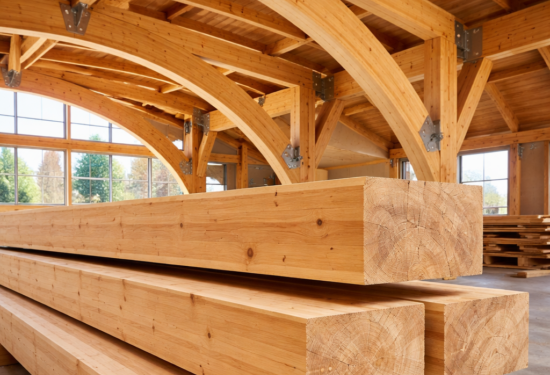
At Northern Log Supply, we’re committed to helping custom home builders stay on schedule with premium log home and timber building products, dependable service, and knowledgeable support.
From log siding and timber trusses to paneling, railings, beams, and more, we work with builders across the country to provide high-quality, prefinished products that help projects run smoothly from start to finish.
Partner with Northern Log Supply and discover why builders trust us to help keep their projects moving forward.
Frequently Asked Questions
What is the difference between construction scheduling software and project management software?
Construction scheduling software focuses primarily on creating timelines, assigning tasks, coordinating subcontractors, and tracking project progress. Construction project management software typically includes scheduling but also adds features like estimating, budgeting, document storage, change orders, invoicing, customer communication, and job costing.
How often should a construction schedule be updated?
Most successful builders review and update their schedules at least once a week. During busy phases like framing, mechanical rough-ins, or finishing work, daily updates may be necessary to account for weather delays, material deliveries, inspections, and changes requested by homeowners.
How detailed should a custom home building schedule be?
A strong custom home building schedule should break the project into individual phases and milestones rather than using broad categories. Instead of simply listing “interior work,” the schedule should include tasks such as insulation, drywall, painting, cabinetry, flooring, trim, fixtures, punch list items, and final inspections.
What’s the biggest cause of scheduling delays on custom home projects?
While weather can affect any build, many delays stem from poor communication, late material deliveries, inspection timing, subcontractor availability, and client change orders. Builders who proactively communicate with suppliers, trades, and clients are often better equipped to keep projects moving forward.