

Table of Contents
Log homes have a reputation…
Some deserved, some exaggerated.
For contractors and custom home builders, the conversation around log home maintenance is all about performance, longevity, and avoiding costly callbacks.
When a client chooses to create a log cabin home, they’re investing in a structure where the exterior and structure are one and the same. That means every decision made during design, material selection, and installation directly impacts long-term durability.
Understanding how to build with maintenance in mind doesn’t just protect the home, it protects your reputation. Read on for our expert tips.
Why Log Home Maintenance Starts Before Construction
One of the most common mistakes in log home construction is treating maintenance as something that begins after the build is complete.
In reality, long-term performance is determined during the planning phase.
Well-executed log home plans should account for environmental exposure, moisture management, and structural movement from day one. Without this, even high-quality materials can underperform.
From a contractor’s perspective, poor planning often leads to:
- Increased log home maintenance cost for the homeowner
- Premature staining or refinishing cycles
- Moisture-related damage and repairs
- Unnecessary warranty work and callbacks
On the other hand, a properly designed system creates predictable, manageable annual log home maintenance instead of reactive repairs.
Design Decisions That Reduce Long-Term Maintenance
Water is the primary threat to any log structure. Managing it effectively is one of the most important responsibilities during design and construction.
Builders should approach water control as a full system, not a single feature.
Key log home design considerations include:
- Roof overhangs of at least 24 inches (one-story) and 36 inches (two-story)
- Steeper roof pitches to accelerate water runoff
- Proper gutter and downspout placement
- Site grading that directs water away from the structure
- Elevated foundations to prevent splash-back
- Strategic placement of the home based on sun and wind exposure
These details will directly reduce long-term log home maintenance demands.
Material Selection: Performance on the Job Site and Beyond
Contractors and property owners alike need materials that perform consistently during installation and over time.
Unlike conventional siding systems, log siding is continuously exposed to environmental conditions. That makes species selection critical.
White cedar and white pine are widely used in log construction because they offer:
- Natural resistance to decay and insects
- Stability across seasonal temperature changes
- Workability during installation
- A consistent finish when stained
Using the right materials from the start helps ensure that a log cabin as a home performs reliably without excessive upkeep.
Installation Quality and Its Impact on Maintenance
Even the best materials can fail if installation is inconsistent. For installers, execution is where long-term performance is won or lost.
Improper installation can lead to issues that significantly raise log home maintenance cost, including water intrusion, uneven settling, and premature finish failure.
Best practices during installation include:
- Verifying proper moisture content before installation (ideally 14–15%)
- Avoiding overdriven fasteners that damage wood fibers
- Maintaining consistent alignment and spacing
- Properly sealing joints, seams, and penetrations
- Allowing for ventilation behind log siding where applicable
Precision at this stage reduces the likelihood of future maintenance issues.
Staining and Sealing: The First Line of Defense
A properly applied finish system is one of the most important factors in protecting a log structure. Stain acts as a barrier against moisture, UV exposure, and biological growth.
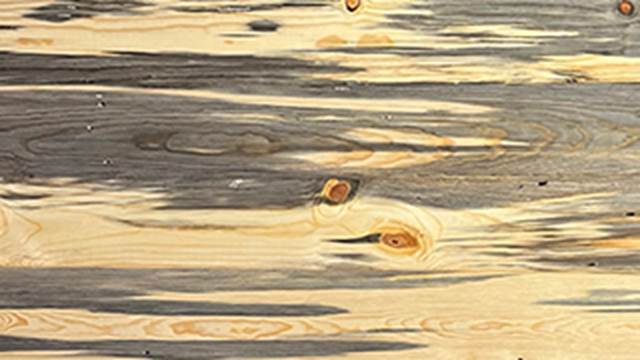
For contractors, this step should be approached as a protective system, not a visual upgrade.
A quality stain should…
- Penetrate the wood surface effectively
- Provide UV resistance to prevent fading and breakdown
- Repel water while allowing the wood to breathe
- Resist mold, mildew, and insect damage
Pre-finished materials can simplify this process, offering more consistent coverage while reducing labor time and weather-related delays.
Building a Client Home Maintenance Plan
One of the most valuable things a contractor can provide is clarity.
Setting expectations around maintenance helps homeowners protect their investment and reduces misunderstandings later.
A clear home maintenance plan should outline what annual care looks like and how often key tasks should be performed.
A typical annual log home maintenance includes:
- Inspecting logs for cracks (checking), gaps, or early signs of rot
- Evaluating caulking and chinking for wear or separation
- Cleaning exterior surfaces to remove dirt, pollen, and mildew
- Monitoring stain performance and identifying areas for touch-up
- Checking drainage and ensuring water is moving away from the home
When homeowners understand this process, maintenance becomes routine rather than reactive.
Understanding Log Home Maintenance Cost
Cost is one of the biggest concerns clients have when considering a log cabin as a home. Contractors who can speak clearly about maintenance expectations are better positioned to build trust and close projects.
In most cases, log home maintenance cost is not excessive. It’s simply structured differently than traditional siding systems.
Typical ranges include:
- $400-$1,500 annually for basic cleaning and inspections
- $2,000-$5,000 every few years for re-staining or refinishing
These costs vary based on climate, exposure, and how well the home was built initially. Projects that prioritize design, materials, and installation quality from the beginning tend to see lower long-term costs.
Reducing Callbacks and Long-Term Issues
For contractors, minimizing callbacks is one of the most important drivers of profitability and reputation. Many common issues in log construction are preventable with the right approach.
To reduce callbacks:
- Design with moisture management as a priority
- Use high-quality, properly milled materials
- Apply finishes correctly and at the right time
- Educate clients on maintenance expectations
- Perform thorough final inspections before project completion
Taking these steps helps ensure that maintenance remains predictable and manageable rather than a source of ongoing issues.
Building for Performance, Not Just Appearance
Log homes offer a unique combination of durability, character, and long-term value, but only when built correctly. For contractors and builders, success comes from understanding that log home maintenance is not separate from construction.
It is a direct result of it.
When design, materials, and installation are aligned, maintenance becomes a routine part of ownership rather than a burden.
Build Smarter. Reduce Callbacks. Deliver Better Results.
The difference between a smooth project and a problem job often comes down to the materials you choose and the support behind them.
At Northern Log Supply, we work directly with builders and contractors who need more than just product. They need consistency, reliability, and real-world expertise.
From pre-finished log siding that cuts down labor time to guidance that helps you avoid common installation issues, our goal is simple: help you get the job done right the first time.
If you’re working on log home plans or preparing for an upcoming build, now is the time to get your materials and approach dialed in.
Talk to our team today and get the materials and support you need to build with confidence.
Frequently Asked Questions About Log Home Maintenance
Are log homes more expensive to maintain than traditional homes?
Not necessarily. While maintenance tasks differ from vinyl or fiber cement siding, overall log home maintenance cost is often comparable when spread out over time. The key difference is that maintenance is more visible and preventative rather than hidden behind siding systems.
What causes the most maintenance issues in log homes?
Moisture is the leading cause of log home maintenance issues. Poor drainage, insufficient roof overhangs, improper sealing, and delayed staining can all lead to water damage, rot, and mold growth.
Is a log cabin a good option for a full-time home?
Yes, a log cabin as a home is a durable and long-lasting option when built and maintained properly. With the right materials, design, and maintenance plan, log homes perform well in a wide range of climates.