

Table of Contents
- How Long Does Siding Last?
- 7 Signs Your Siding Needs Replacing
- Siding Replacement Cost
- Longest Lasting Siding Options
- Repair vs Replace
Cracked panels. Warping boards. Faded color that won’t come back no matter how many times you clean it.
Maybe your energy bills have been creeping up, or you’ve noticed moisture where it shouldn’t be.
These aren’t basic cosmetic issues. They’re early warning signs that your siding may be failing.
When your siding starts to break down, problems don’t stay on the surface. They can lead to water damage, higher energy costs, and expensive repairs if ignored too long.
This guide will help you spot the red flags early, understand the real siding replacement cost, and decide when it’s time to move forward.
How Long Does Siding Last?
Before you can spot a problem, it helps to understand what “normal” looks like.
Siding isn’t meant to last forever, and every material has a general lifespan that tells you when to start paying closer attention.
When property owners ask, “how long does siding last?”, the answer depends heavily on the type of siding, the quality of installation, and the climate your home is exposed to year after year.
- Vinyl siding: 20-40 years
- Wood siding: 20-40 years
- Aluminum siding: 20-40 years
- Fiber cement siding: 30-50+ years
- Log siding: 25-50+ years
- Brick or stone: 100+ years
In places like the Midwest, where freeze-thaw cycles, moisture, and storms are common, siding can wear down faster. Even high-quality materials can degrade more quickly without proper installation and upkeep.
Ideal Range: Once your siding reaches the 20-30 year range, it’s time to start watching for warning signs.
7 Signs Your Siding Needs Replacing
Siding problems rarely start big. Most begin as small issues that are easy to ignore. But, they tend to spread quickly once moisture or exterior wear gets involved.
Knowing what to look for can help you catch problems early or recognize when it’s time to stop repairing and start replacing. Here are some tell-tale signs:
1. Warping, Buckling, or Loose Panels
Your siding should sit flat and secure against your home. If it starts to look uneven, wavy, or loose, that’s usually a sign something isn’t right.
Warping and buckling are often caused by trapped moisture or poor installation. Over time, this reduces your siding’s ability to protect the home and can allow water to seep behind the panels. This can eventually lead to deep, extensive structural issues.
2. Cracks, Holes, or Gaps
Small cracks might not seem like a big deal, but they create entry points for water, insects, and air. Once that barrier is compromised, damage can spread faster than most people expect.
If you’re noticing multiple cracks or gaps across different areas of your home, it’s usually a sign the material is aging and becoming weak. At that point, replacing siding on your house is often more cost-effective than constant small patchwork repairs.
3. Rot, Mold, or Mildew
Moisture is one of siding’s biggest enemies, especially for wood-based materials. When water gets trapped behind siding, it can lead to rot, mold growth, and even structural weakening.
These issues don’t just stay on the surface. Mold and rot can spread behind walls, affecting insulation and indoor air quality. If you notice soft spots, discoloration, or a musty smell, it’s important to act fast.
4. Faded or Peeling Exterior
Fading siding might seem like just a cosmetic issue, but it often signals that the material’s protective layer is breaking down. Once that layer is gone, your siding becomes more vulnerable to weather and long-term damage.
If paint no longer applies well or color fades unevenly, it may be a sign your siding has reached the end of its lifespan. In most of these cases, replacing it is a better investment than repainting.
5. Rising Energy Bills
Your siding plays a bigger role in insulation than many people realize. When it starts to fail, your home becomes less efficient at maintaining indoor temperatures.
If your heating and cooling costs are creeping up without a clear explanation, your siding could be part of the problem. Gaps, cracks, and aging materials allow air to escape, forcing your HVAC system to work harder.
6. Frequent Repairs
Every home needs occasional maintenance, but there’s a point where repairs become a cycle instead of a solution. If you’re constantly fixing small sections, repainting, or replacing panels, step back and look at the bigger picture.
Repeated repairs add up quickly.
7. It’s Time Has Passed
Even if your siding doesn’t show obvious damage, age alone can be a deciding factor. Materials naturally break down over time, losing their strength and protective qualities.
If your siding is 20-30 years old or older, start planning ahead. Waiting until failure is obvious leads to higher costs and more extensive repairs.
Siding Replacement Cost: What to Expect
One of the biggest concerns property owners have is cost. Siding is a major investment, but understanding what goes into the price helps you plan.
Siding replacement costs can vary widely depending on your home, materials, and project complexity. That being said, there are some reliable ranges to keep in mind.
- $4-$15 per square foot installed
- $8,000 – $30,000+ for most homes
- $12,000 – $25,000 is a common average
Where Your Money Goes
Understanding the breakdown helps explain why prices vary so much. It’s not just the siding product itself, it’s the entire installation process.
- Materials: 50-55%
- Labor: 40-50%
- Removal of old siding: 3-7%
- Permits and extras: 2-4%
Labor is a major factor, especially for multi-story homes or projects that need additional prep work.
Cost by Material
Different siding materials come with very different price points. Choosing the right one depends on your budget, goals, and how long you plan to stay in your home.
- Vinyl: $3.50-$11 per sq ft
- Engineered wood: $6-$12 per sq ft
- Fiber cement: $8-$14 per sq ft
- Natural wood: $7-$15 per sq ft
- Log siding: $8–$15+ per sq ft
- Stone veneer: $10-$18 per sq ft
Each option offers a different balance of cost, durability, and appearance.
What Affects Your Final Siding Price?
No two siding projects are exactly the same. Even homes with similar square footage can have very different final costs depending on several factors.
Understanding these variables helps you avoid surprises and budget more accurately.
Home Size
Larger homes require more materials and labor, which naturally increases cost. Even small increases in square footage can add up quickly.
Number of Stories
Multi-story homes require more time, equipment, and safety measures. This makes installation more complex and labor-intensive.
Existing Damage
If there’s hidden damage under your siding (like rot or water intrusion) it will need to be repaired before new siding can be installed. This can impact your total cost.
Material Choice
Your siding material is the single biggest cost factor. Some property owners prioritize budget, while others invest in long-term durability and aesthetics.
Longest Lasting Siding for Homes From Northern Log Supply
durability isn’t just a “nice to have”. It’s the whole point. You want something that holds up to weather, resists moisture, and still looks good years down the line without constant upkeep.
Here are a few stand-outs:
Log Siding (Signature Durability + Standout Curb Appeal)
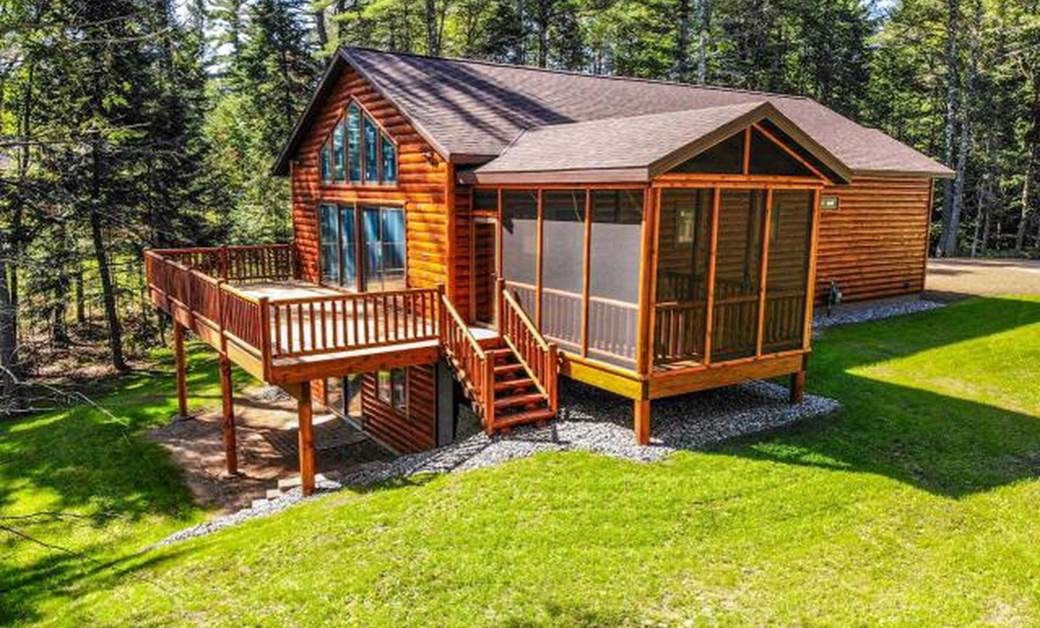
Log siding is one of the most recognizable and durable siding options available. It gives you the full log home look without the structural complexity of full-log construction, making it a practical and long-lasting choice for a wide range of homes.
When properly installed and maintained, log siding can last 25-50+ years. The key is routine sealing or staining, which protects against moisture, UV exposure, and pests.
Because of its thickness and solid wood construction, log siding also provides added insulation and impact resistance compared to thinner materials.
Best for: Long-term performance with a bold, natural wood look
Western Red Cedar Siding (Naturally Resistant + Built for Longevity)
Western Red Cedar is one of the most durable wood siding materials you can choose. It naturally resists rot, decay, and insects, without relying heavily on chemical treatments. This makes it especially effective in demanding climates.
Northern Log Supply offers cedar in multiple siding profiles, allowing you to match durability with your preferred style. With proper finishing and occasional maintenance, cedar siding can easily last 30–50+ years while maintaining its structural integrity and appearance.
Best for: Homeowners who want a premium wood siding that lasts with less maintenance
Board and Batten Siding (Proven Performance in Harsh Weather)
Board and batten siding is a performance-driven system. The vertical layout helps water shed quickly, reducing the chance of moisture getting trapped behind the siding.
This makes it a strong option for areas that deal with heavy rain, snow, or humidity. When built with high-quality wood and properly sealed, board and batten siding can last for decades with consistent maintenance.
Best for: Durability in wet or variable climates with a classic, timeless look
Shiplap & Nickel Gap Siding (Tight Seals + Modern Durability)
Shiplap and nickel gap siding offer a cleaner, more modern aesthetic. But they also bring practical durability benefits. Their interlocking profiles create a tighter seal between boards, helping keep away moisture intrusion and air gaps.
This tighter fit improves overall performance, especially when paired with proper installation and pre-finishing.
With routine care, these siding styles can deliver long-lasting protection while maintaining a crisp, finished appearance.
Best for: Clean design with improved resistance to moisture and air infiltration
Cedar Shake Panel Siding (Textured Look with Reliable Protection)
Cedar shake panels provide the visual depth of traditional hand-laid shakes but in a more consistent and efficient format. They’re designed to handle weather exposure while maintaining their structure over time.
Because cedar is naturally resistant to insects and decay, these panels offer both durability and visual appeal.
With ongoing maintenance, cedar shake siding can last decades without losing its character.
Best for: Adding texture and dimension without sacrificing long-term performance
Weathered Wood Siding (Aged Look, Engineered to Last)
Weathered wood siding delivers the look of reclaimed, aged wood, but without the unpredictability of true reclaimed materials. It’s treated and finished to maintain both its appearance and durability over time.
This makes it a great option for property owners and builders who want character and texture while still relying on consistent, long-term performance.
Best for: Rustic style with dependable durability
Should You Repair or Replace your Siding?
This is one of the most common decisions homeowners face. While repairs can be effective in the short term, they’re not always the best long-term solution.
The key is understanding when repairs are enough, and when replacement is the smarter investment.
Repair if:
- Damage is small and isolated
- Your siding is relatively new
- There are no signs of moisture issues
Replace if:
- Damage is widespread
- Your siding is older (20–30+ years)
- You’re dealing with mold, rot, or rising energy costs
In many cases, replacing siding on your house improves efficiency, appearance, and long-term value all at once.
Choosing the Right Siding Replacement Company
Great siding won’t save you from a bad install.
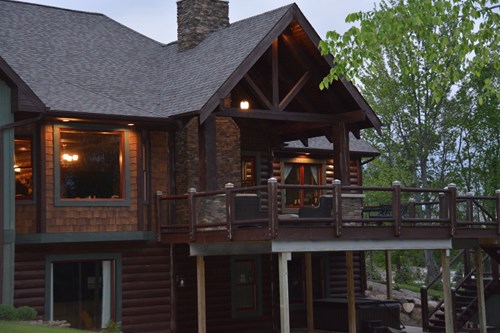
Even the longest lasting siding for homes can fail early if it’s not put on correctly by a trusted partner. The difference shows up years later, when one home still looks solid and protected, and another is already dealing with moisture issues, warping, or repairs.
That’s where Northern Log Supply steps in.
The team helps you cut through the noise and make the right call for your home.
If you’re local, stop into the Northern Log Supply showroom to see our materials up close.
Prefer to start online? Send a message!
Common Questions About Siding Replacement
Can new siding lower my energy bills?
Yes. New siding improves insulation and reduces air leaks, which can help lower heating and cooling costs.
How long does it take to replace siding on a house?
Most siding replacement projects take 1-2 weeks, depending on the size of the home, weather conditions, and the complexity of the installation.
Should I replace siding before selling my home?
In many cases, yes. New siding can significantly improve curb appeal and increase resale value, making your home more attractive to buyers.
How do I choose the right siding replacement company?
Look for a company with experience, clear pricing, quality materials, and knowledge of your local climate. Proper installation is critical to getting the full lifespan out of your siding.