

Table of Contents
- What Is Tongue and Groove Paneling?
- Pre-Finished vs. On-Site Finishing: What’s the Difference?
- Why Pre-Finished Tongue and Groove Paneling Can Be Better for Custom Builders
- Choosing the Right Wood Species for Your Tongue and Groove Paneling
- Don’t Overlook End-Matched Tongue and Groove Paneling
- When Does On-Site Finishing Make Sense?
- Pre-Finished Tongue and Groove Paneling for Ceilings
- How Custom Home Builders Should Decide
- Build More Efficiently With Pre-Finished Tongue and Groove Paneling
- Frequently Asked Questions About Pre-Finished Tongue and Groove Paneling
For custom home builders, the difference between a project that runs smoothly and one that becomes a scheduling headache often comes down to the smaller details.
Every material has to arrive when it is needed. Every subcontractor has to be coordinated. Every installation has to fit into the larger construction schedule. And when you’re building a custom home, the homeowner expects the finished product to look just as good as the plans and renderings promised.
Tongue and groove paneling is a popular choice for custom homes because it brings natural warmth and character to interior walls, ceilings, wainscoting, and other architectural features. But once you’ve decided on tongue and groove paneling, there’s another important decision to make: Should you order your paneling pre-finished, or should you have it stained and finished on-site?
Read on for our answer…
What Is Tongue and Groove Paneling?
Tongue and groove paneling is a type of wood paneling designed with an interlocking system that allows individual boards to fit together.
One side of the board features a projecting “tongue,” while the opposite side has a corresponding “groove.” During installation, the tongue of one board fits into the groove of the next, creating a clean, connected surface.
This design is one reason tongue and groove paneling is so popular with builders.
The boards fit together neatly, creating a finished appearance with concealed fasteners and a relatively streamlined installation process.
Northern Log Supply offers tongue and groove paneling with the tongue and groove profile on all four sides, helping simplify installation and reduce material waste. End-matched WP4 paneling is also available in beveled or square options.
For custom home builders, tongue and groove paneling can be used in a variety of applications, including (but not limited to):
- Interior walls
- Great rooms
- Bedrooms
- Ceilings
- Wainscoting
- Entryways
- Fireplace surrounds and accent walls
- Covered porch ceilings
- Rustic and modern cabin interiors
Because real wood paneling can work across so many architectural styles, it can be a practical choice for everything from traditional log homes and cabins to modern mountain properties and high-end large custom builds.
But the wood itself is only one part of the equation.
The finish you choose (and when that finish is applied) can have a major impact on your project.
Pre-Finished vs. On-Site Finishing: What’s the Difference?
The basic difference is simple.
With pre-finished tongue and groove paneling, the wood is stained or finished before it arrives at your jobsite. The material is prepared according to your specifications and arrives ready to install.
With on-site finishing, the unfinished paneling arrives at the jobsite, and your team or a finishing contractor handles the staining, sealing, or coating after delivery and potentially after installation.
For a homeowner, the two approaches may ultimately produce a similar finished appearance.
For a custom home builder, however, the process of getting there can be very different.
| Project Consideration | Pre-Finished Tongue & Groove Paneling | On-Site Finishing |
|---|---|---|
| Installation | Paneling arrives ready to install | Finishing adds another step to the installation process |
| Labor | Reduces finishing-related jobsite labor | Requires additional labor or subcontractor coordination |
| Scheduling | Easier to plan material installation | Finishing must be scheduled into the project |
| Weather | Finishing is completed in a controlled environment | Temperature and humidity may affect finishing |
| Jobsite Conditions | Less exposure to dust and construction debris during finishing | Dust and debris can complicate finishing |
| Finish Consistency | Controlled application helps create a uniform appearance | Results may vary with application conditions |
| Cleanup | Less staining and finishing mess at the jobsite | Requires additional cleanup and protection |
| Customization | Choose from standard or custom color options before production | More flexibility to adjust finish on-site |
| Installation Speed | Faster transition from delivery to installation | Additional finishing steps can slow the process |
| Overall Efficiency | Designed to simplify the construction workflow | Requires more coordination after material delivery |
For custom home builders, this distinction is important. You’re not just choosing between two ways to make wood look finished. You’re choosing between two different workflows.
Why Pre-Finished Tongue and Groove Paneling Can Be Better for Custom Builders
When you’re managing a custom home build, efficiency is everything.
The goal isn’t to rush through the project. It’s to eliminate unnecessary steps so your crew can spend its time on the work that actually moves the project forward.
Pre-finishing can help accomplish that.
1. Your Paneling Arrives Ready to Install
One of the biggest advantages of pre-finished tongue and groove paneling is that you can move directly from delivery to installation.
Instead of receiving raw boards and then figuring out when and where they will be stained, your material arrives with the selected finish already applied.
This is very useful when you’re working on a project with a tight timeline.
Once the installation area is ready, your crew can focus on getting the paneling installed rather than coordinating another finishing process.
For custom builders, that can help simplify scheduling and reduce the number of tasks that need to be managed at the jobsite.
2. Reduce Finishing-Related Labor
Staining and finishing wood after installation can take more time than many homeowners realize.
Depending on the project, the process may involve…
- Preparing the wood
- Protecting surrounding surfaces
- Applying stain
- Allowing the stain to dry
- Sanding between coats when required
- Applying clear coats or additional finish
- Waiting for everything to cure
- Cleaning the jobsite
When you’re working with hundreds or thousands of square feet of tongue and groove paneling, those steps can really add up.
Northern Log Supply’s pre-finishing service is designed to help reduce the labor and expense associated with finishing wood after installation. Many customers save more than 50% compared with contractor staining after installation, though actual savings will vary by project, labor rates, and specifications.
For a custom builder, the value isn’t just the potential cost savings. It’s also about reducing the number of finishing tasks your team needs to coordinate.
3. Keep Staining Out of the Jobsite Workflow
Jobsite conditions aren’t always ideal for finishing wood.
Construction sites can be dusty, busy, and constantly changing. Other trades may be working nearby, materials may be moving through the space, and the environment may not be perfectly suited to achieving a clean, consistent finish.
Pre-finishing moves that process away from the jobsite.
Northern Log Supply completes the finishing and staining process at our Michigan location, using automated sprayers to help achieve a smooth, evenly coated finish. We also use back-brush stains to promote uniformity with the wood grain.
For builders, this can mean fewer concerns about how the conditions of an active construction site will affect the final appearance of the paneling.
4. Avoid Adding Finishing Delays to Your Schedule
Construction schedules are complicated enough without adding another variable.
When paneling needs to be finished on-site, the process may be affected by temperature, humidity, drying time, and other environmental conditions.
If you’re working on a ceiling, for example, staining overhead can be particularly inconvenient. It may require additional protection for floors and other surfaces, more cleanup, and extra time before the space is ready for the next stage of construction.
Pre-finished tongue and groove paneling eliminates much of that process. The material arrives already finished, allowing your installation team to move forward without waiting for the same on-site staining and finishing steps.
5. Create a More Consistent Finished Appearance
Consistency matters on a custom home.
When a client has selected a specific color, they expect the finished paneling to match the approved design.
On-site finishing can introduce variables depending on who applies the stain, how the wood absorbs it, and the conditions in which it is applied.
Pre-finishing provides a more controlled process.
Custom colors are also available for an additional charge, giving builders more flexibility when a project requires a specific color palette or needs to coordinate with other interior materials.
For a custom home, that level of flexibility can be very valuable.
Choosing the Right Wood Species for Your Tongue and Groove Paneling
The finish isn’t the only decision builders need to make.
The species of wood you choose will influence the final appearance, texture, grain, and overall character of the space.
Northern Log Supply offers tongue and groove paneling in several species, including White Pine, White Cedar, Red Cedar, and Beetle Kill Blue Stain Pine.
White Pine
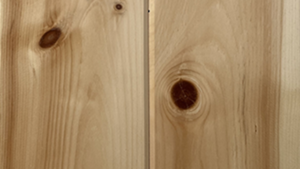
White Pine is a popular option for builders looking for a warm, traditional wood appearance. It can work particularly well in cabins, lake homes, mountain properties, and rustic-modern interiors.
Because it accepts stains well, White Pine also gives builders plenty of flexibility when it comes to customizing the final look.
White Cedar
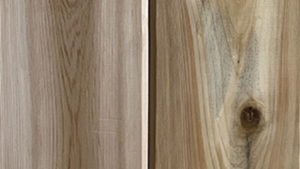
White Cedar brings a naturally distinctive appearance and can be a strong choice when the goal is to emphasize the character of the wood itself.
Depending on the finish, it can create anything from a light, natural aesthetic to a richer, more dramatic interior.
Red Cedar
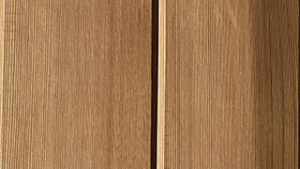
Red Cedar offers a recognizable color and grain that can add warmth and depth to an interior.
It can be a particularly attractive choice for homeowners who want their wood paneling to serve as a major design feature rather than simply blend into the background.
Beetle Kill Blue Stain Pine

For builders looking for something more distinctive, Beetle Kill Blue Stain Pine offers unique natural coloration that can create a one-of-a-kind appearance.
The blue-gray tones and natural variation can work well in modern rustic, mountain contemporary, and lodge-inspired interiors.
Don’t Overlook End-Matched Tongue and Groove Paneling
If you’re building a custom home, small installation details can have a significant impact on material waste and labor.
Northern Log Supply offers end-matched WP4 tongue and groove paneling in beveled or square configurations. End matching allows boards to connect at their ends, providing additional flexibility during installation and helping create a clean, continuous appearance.
For builders, features like this are worth considering when estimating a project.
The right paneling profile can help make installation more straightforward while reducing unnecessary material waste.
It’s another example of why choosing the right supplier isn’t simply about finding the lowest price per board.
You’re selecting a material system that needs to work with your crew, your schedule, and your overall project requirements.
When Does On-Site Finishing Make Sense?
Pre-finished tongue and groove paneling offers significant advantages, but there are still situations where on-site finishing may be appropriate.
For example, a builder may choose on-site finishing when the homeowner wants to make decisions about the final color later in the project or when the design calls for a finish that is difficult to determine ahead of time.
On-site finishing may also make sense when:
- The project requires a highly customized finish.
- The homeowner wants the ability to make last-minute color adjustments.
- The builder has an established in-house finishing team.
- The project has specific artistic or decorative finishing requirements.
- The wood needs to coordinate with materials that have not yet been selected.
The key is to consider the entire construction process. If you know exactly what finish the homeowner wants, there may be little reason to delay that process until after the paneling reaches the jobsite.
By selecting the finish early, you can have the material prepared in advance and ready to install when it arrives.
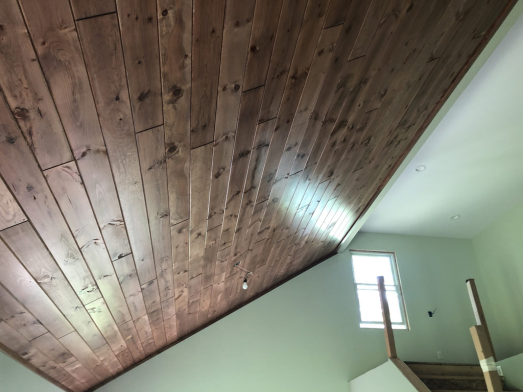
Pre-Finished Tongue and Groove Paneling for Ceilings
For custom home builders, ceilings deserve special consideration.
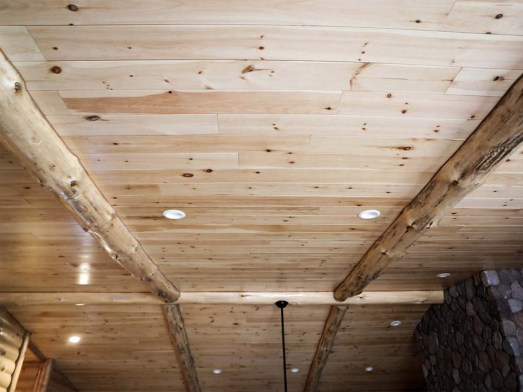
Tongue and groove ceilings can completely transform the character of a room. They add warmth to great rooms, covered porches, vaulted ceilings, bedrooms, and entryways.
But finishing a ceiling on-site is often more difficult than finishing a wall.
You’re working overhead. You need to protect the space below. You may have to deal with drips, splatter, drying time, and additional cleanup.
Pre-finished tongue and groove paneling eliminates much of that hassle.
The material arrives with the finish already applied, allowing the installation team to focus on fitting and securing the boards.
For builders working on custom homes with large vaulted or cathedral ceilings, this can be a particularly compelling advantage.
Instead of adding a major finishing project to the installation process, you can treat the paneling as a finished building material from the moment it arrives.
How Custom Home Builders Should Decide
When comparing pre-finished and on-site finishing, don’t look at the material price alone.
Instead, consider the total cost of the finished installation.
Ask yourself:
How much will on-site labor cost?
If your team or a subcontractor needs to stain and finish hundreds of square feet of paneling, that labor can quickly become a major expense.
How much space will the finishing process require?
You’ll need an appropriate area for staining, drying, and storing the wood.
How will the finishing process affect your schedule?
If the paneling needs to dry or cure before the next phase of construction can begin, that time needs to be accounted for.
What happens if weather or humidity affects the process?
On-site finishing may be affected by environmental conditions, potentially creating additional scheduling concerns.
How important is finish consistency?
For high-end custom homes, the finish needs to match the homeowner’s expectations across the entire project.
Would your crew rather install finished material?
For many builders, the answer is yes.
The best option isn’t always the material with the lowest upfront price. It’s the option that provides the best combination of material quality, labor efficiency, installation speed, and finished appearance.
Build More Efficiently With Pre-Finished Tongue and Groove Paneling
Custom home builders have enough to coordinate.
Between subcontractors, inspections, deliveries, client decisions, and constantly evolving schedules, the last thing you need is another avoidable finishing project slowing down the jobsite.
Pre-finished tongue and groove paneling can help simplify that process.
By having your paneling stained or finished before it arrives, you can reduce jobsite labor, minimize mess, avoid some weather-related delays, and move more efficiently from material delivery to installation.
And because Northern Log Supply offers multiple species, profiles, sizes, stains, and finishing options, you don’t have to sacrifice design flexibility to gain those efficiencies.
When the right wood arrives already finished and ready to install, your crew can spend less time staining and more time building.
For custom home builders, that can mean a smoother process from the first delivery to the final installation.
Contact us to start your custom project today!
Frequently Asked Questions About Pre-Finished Tongue and Groove Paneling
Is pre-finished tongue and groove paneling better than finishing on-site?
For many custom home projects, pre-finished tongue and groove paneling offers significant advantages. It arrives ready to install, which can reduce jobsite labor, eliminate much of the mess associated with staining, and simplify project scheduling. On-site finishing may still make sense for highly customized projects where the final color or finish cannot be determined ahead of time.
Does pre-finished tongue and groove paneling save money?
It can. Pre-finishing may reduce the labor and other expenses associated with staining and finishing wood after installation. Northern Log Supply states that many customers save more than 50% compared with contractor staining after installation, although actual savings depend on the project, labor costs, and finishing specifications.
Can tongue and groove paneling be pre-stained?
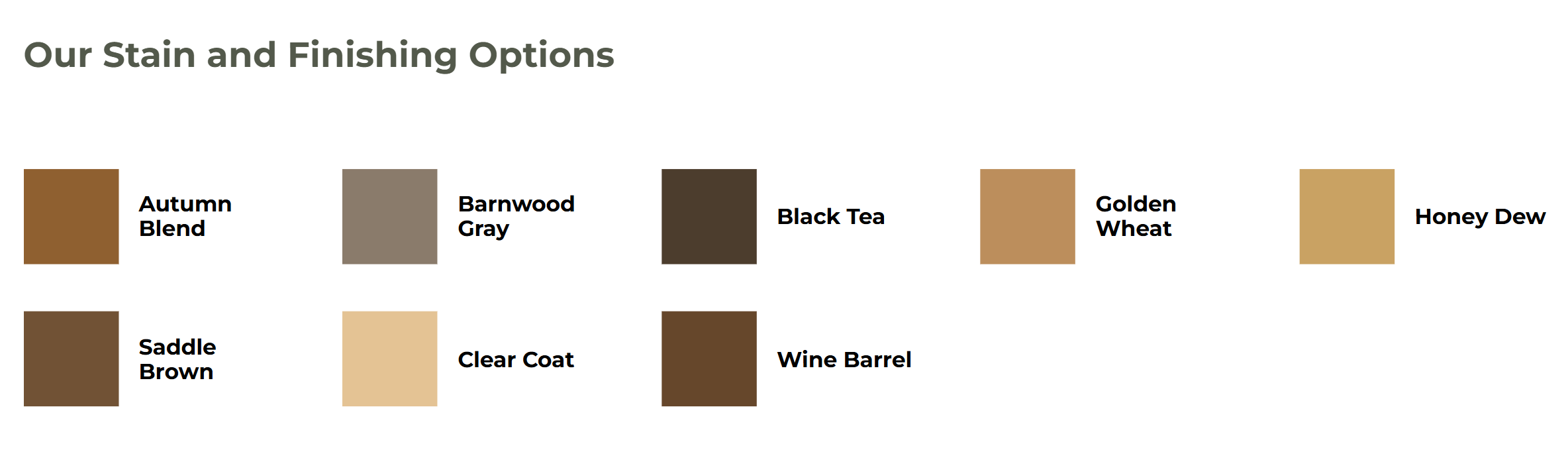
Yes! Northern Log Supply offers pre-stained and pre-finished tongue and groove paneling in a range of standard colors and finishes. Custom colors are also available for an additional charge.
What types of wood are available for tongue and groove paneling?
Northern Log Supply offers tongue and groove paneling in White Pine, White Cedar, Red Cedar, and Beetle Kill Blue Stain Pine. Availability can vary depending on the selected size and configuration:
What are the benefits of end-matched tongue and groove paneling?
End-matched paneling allows boards to connect at their ends, which can help simplify installation and create a more continuous appearance. Northern Log Supply offers end-matched WP4 paneling in beveled and square options.
Can tongue and groove paneling be used on ceilings?
Yes. Tongue and groove paneling is a popular choice for interior ceilings, including vaulted ceilings, great rooms, bedrooms, and covered porches. Pre-finished paneling can be particularly convenient for ceilings because it reduces the need for staining and finishing overhead.
What stain colors are available for Northern Log Supply tongue and groove paneling?
Northern Log Supply lists several stain and finish options, including Autumn Blend, Barnwood Gray, Black Tea, Golden Wheat, Honey Dew, Saddle Brown, Wine Barrel, UV Clear Coat, and Blue Stain / Beetle Kill. Custom colors are also available for an additional charge.
Can I get custom-colored tongue and groove paneling?
Yes. Northern Log Supply offers custom colors for an additional charge. This can be useful for custom home builders who need the paneling to coordinate with a specific flooring, cabinetry, paint color, stone, or other architectural material.
Is tongue and groove paneling easy to install?
The interlocking design of tongue and groove paneling is intended to simplify installation by allowing the boards to fit together. Northern Log Supply also offers tongue and groove on all four sides and end-matched options designed to help simplify installation and reduce waste.
How do I choose between pre-finished and unfinished tongue and groove paneling?
Start by considering your project timeline, labor availability, desired finish, and installation requirements. If the homeowner already knows the desired color and you want to reduce finishing work at the jobsite, pre-finished paneling is often the more efficient choice. If the finish needs to be customized or decided later, unfinished paneling may provide more flexibility.
Why should custom home builders work with a specialty wood supplier?
For custom projects, builders often need help selecting the right wood species, profile, finish, dimensions, and installation features. Working with a supplier that offers multiple options and can help coordinate the material from selection through delivery can simplify the process and help ensure the finished product aligns with the original design.